Farm succession planning | Why you can’t afford to leave it for “Later”

More than half of NZ’s farms will change hands in the next decade, but only one in three have a formal plan in place.

Keeping the farm in the family takes more than a handshake. For many farming families, succession planning is something they know they should do, but it often gets pushed aside until life forces the conversation.

At Sidekick Rural, we’ve seen how a ‘well-thought-out’ plan can protect both the family and the business, and how leaving it too late can lead to stress, conflict, and uncertainty.

Why start succession planning now?

Succession planning isn’t just about passing on the farm, it’s about building a business that can support retirement, give everyone a fair share, and making sure the next generation thrives. It means:

  • Having open conversations early
  • Knowing your financial position
  • Creating a clear, written plan
  • Defining roles for a smooth handover

We’ve created a free Farm Succession Planning Fact Sheet to help you get started. Simply fill in your details below.

    Fill in your details for access to our Farm Succession Planning Guide!

    By clicking the 'Get Guide' button I am agreeing to Sidekick's Privacy Policy and to receiving other communications from Sidekick.

    If you’re ready to protect your legacy and future-proof your farm, start the conversation today. Our rural specialists can help you create a plan that works for both the business and your family.

    August 21st, 2025|

    How deep financial data helps you make better business decisions

    As a business owner, you want to make the best possible decisions for your business. The choices you make regarding strategy, spending, revenue generation and cashflow management can all have a major impact on the long-term future of the company.

    So, how do you give yourself that competitive edge when it comes to decision-making?

    The answer is to make the most of your financial data and to use the outputs from today’s cloud accounting tools and finance apps to inform and guide your choices as a leader.

    Five major benefits of having financial real-time data

    Cloud accounting has revolutionised the ways that small business owners manage their business accounts and broader financial management.

    With the right tech stack and cloud accounting software, it’s possible to have genuine real-time information about your business finances. That instant access to your financial performance numbers is a game-changer, for a number of reasons.

    Here are five ways that deep financial data can help to drive your business success…

    Real-time data gives you:

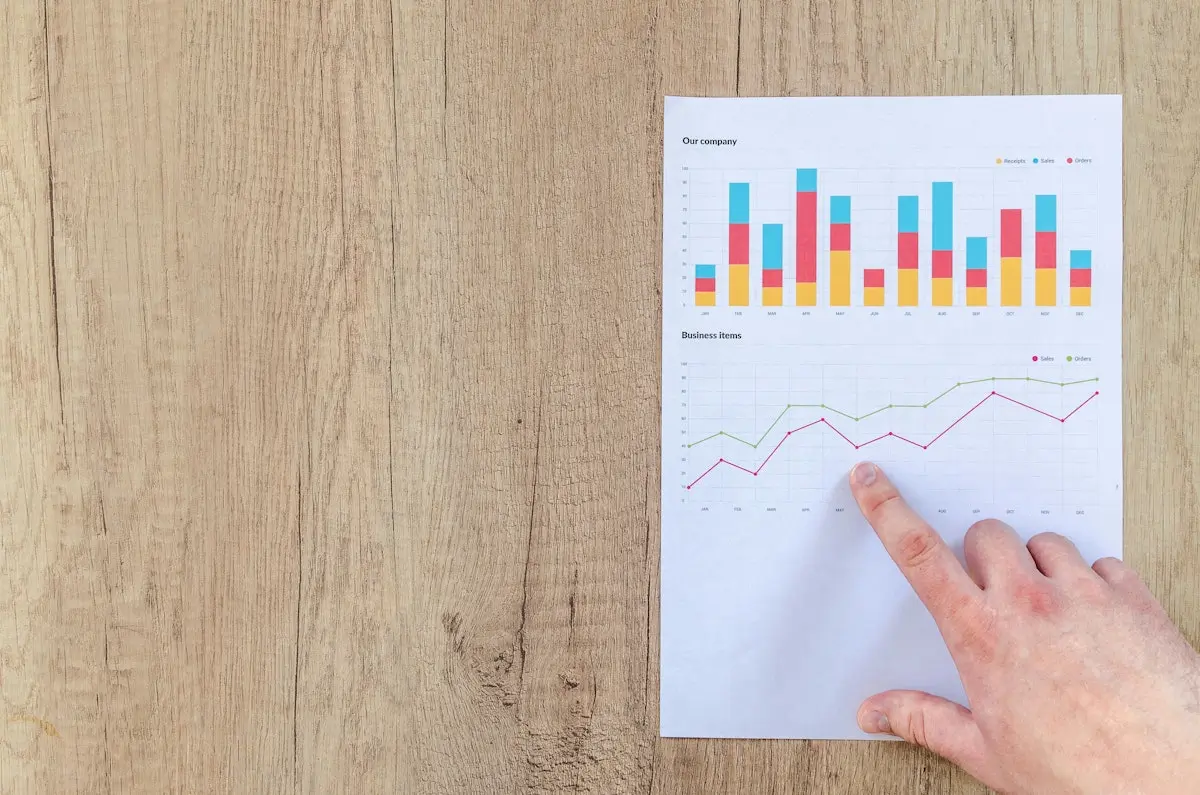
    1. Informed decision-making – with access to the most up-to-date financial data, you’re no longer flying blind! Real-time data empowers you to make strategic decisions based on the most current business information. You can see how marketing budgets are performing, analyse your sales trends and identify areas for cost-cutting – with a dashboard that provides a real-time snapshot of your overall financial health. You’re informed, on the ball and can react like lightning to any pressing business opportunities, or unplanned threats to your funding and operating cashflow.

    2. Improved cashflow management – cash is king, so it’s crucial that you have the best possible insights into your cashflow position, planning and management. Real-time cash data helps you plan for upcoming expenses, predict potential shortfalls and make informed decisions about borrowing or investment strategies. This real-time visibility ensures you always have sufficient funds to cover your operational costs, dodging the cashflow pitfalls that could otherwise hinder your business growth.

    3. Enhanced budgeting and forecasting – you can ditch the static spreadsheets and embrace a more dynamic, real-time way to run your budgeting and forecasting. Track your progress towards financial goals, identify variances and deviations from key budgets, and adjust your plans and strategy accordingly. Accurate historic and real-time data also means more accurate forecasts, leading to better resource allocation and improved financial planning for the future.

    4. Increased potential to turn a profit – with access to real-time data, finding the prime areas for cost reduction and revenue optimisation is made easy. You can quickly hone in on the products that are bringing in the biggest sales revenues, or the operational expenses that are costing you money but failing to deliver a healthy return on investment (ROI). If the majority of your sales income is coming from one product, by tracking key metrics like customer acquisition costs and conversion rates, you can identify and refine marketing strategies to maximise return on investment. Additionally, real-time sales data allows you to react quickly to customer trends and adjust pricing strategies to improve profitability.

    5. Greater confidence in your business potential – modern accounting tech puts all this real-time data right at your fingertips, so you always feel in control of your finances. That’s a major boost to your confidence as a business owner, giving you the overview and insights you need to keep a tight grip on your financial health. Having this transparency makes it possible to share key metrics with your key stakeholders, like investors or partners. It also demonstrates your commitment to keeping good records and focusing on your financial management – a trait that investors, lenders and banks will see as a good sign of the viability of your business.

    Talk to us about accessing your finance data goldmine

    If you’re currently only tracking the most basic of finance metrics, now’s the time to dive deeper into your pool of valuable financial data. The more detailed and refined your finance dashboard becomes, the more you’re in control of the next steps of your business.

    We can help you set up a tailored business dashboard and management reporting tools to track all the most valuable finance metrics for your business.

    Get in touch to start exploring your real-time data.

    May 8th, 2024|
    Go to Top